Derma Stamping: The Ultimate Guide
Everything you need to know about derma stamping – risks, benefits, does it hurt, and cost.
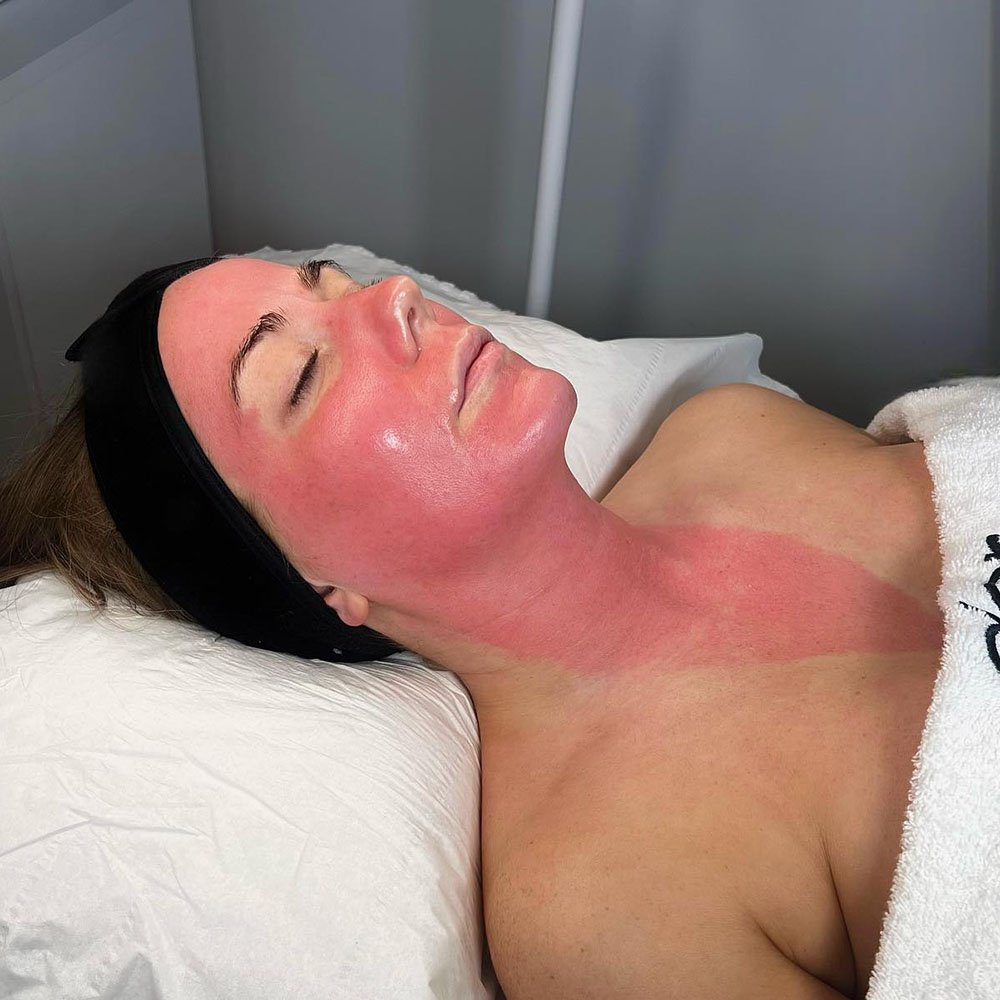
Image source: Instagram @dermanudeuk
Explore more microneedling topics:
Swipe for more microneedling topics →
Derma stamping is a superficial and controlled skin-puncturing technique that involves miniature fine needles. But don’t worry, it’s not scary at all!
After these micro-injuries, the natural healing process begins, and you will get an improved skin texture. Is it the same as microneedling?
Well, here’s the ultimate guide to stamp microneedling and how it differs from other microneedling techniques.
Table of contents - Skip to a specific paragraph
What Is Microneedle Stamping?
Derma stamping, or stamp microneedling, is a cosmetic procedure that uses a handheld device to create tiny channels in the skin.
The device stamps over the desired area in a consistent pattern, triggering a healing response and stimulating collagen and elastin production. Collagen gives skin strength and structure, while elastin maintains elasticity.
@elc_bondi Creating glowing & smooth skin, one Derma Stamp treatment at a time. #elcbondi #facials #skin #foryou #viral #aesthetics #fyp #facegoals ♬ WHY IS EVERYONE USING THIS AUDIO - 🎧
What Is Microneedling?
Meanwhile, microneedling is a larger procedure category that uses a handheld device with a roller or pen-like device containing multiple fine needles.
The devices are then rolled or moved over the skin in a controlled manner to create micro-injuries at various levels of the skin depending on the targeted treatment endpoints.
Microneedling devices provide needle depth and coverage flexibility across much larger skin surface areas.
How to Dermastamp?
The procedure typically takes around 30 minutes to an hour, depending on the size of the treatment area and the depth of the needles.
Here are the steps dermastamp microneedling entails:
- Preparation – the skin (or hair) is cleansed and a numbing cream may be applied to help minimize the discomfort of stamping.
- Derma Stamping – the derma stamp will then be gently pressed against the skin, stamping it in vertical and horizontal directions.
- Serum Application – serum or other treatment may be applied to the skin to help promote healing and stimulate collagen production.
The technician will use a handheld device with a handle and stamp-like head containing tiny needles to stamp the skin.
Does Derma Stamping Hurt?
Derma stamping is generally considered to be a well-tolerated procedure with minimal pain. Besides, in most cases, you can opt to numb the skin beforehand. This ensures more comfort, so the treatment ends up being virtually painless.
Benefits of Dermastamp
Dermastamp microneedling is used for treating a wide variety of issues, including:
Bad Skin Tone and Texture
Derma stamping can help improve the skin’s overall health by increasing blood circulation and promoting the delivery of nutrients to the skin cells.
Hyperpigmentation
The tiny punctures created by microneedling stimulate the skin’s natural healing response, which includes increased cell turnover. So, removing dead skin cells also replaces discolored cells with new, healthier ones.
Scars
The tiny punctures created by the needles help break up scar tissue and stimulate the production of new collagen, which fills in lesions and leads to smoother, more even skin.
Learn more about treating acne scars with microneedling here.
Lines and Wrinkles
By stimulating collagen production, derma stamping can help to reduce fine lines and wrinkles and promote a more youthful, radiant complexion. Collagen also helps tighten and firm the skin, so some people even use a derma stamp under the eyes to help plump up the area.
Hair Loss
The micro-injuries created by the needles in derma stamping can increase blood flow to the scalp, delivering essential nutrients and oxygen to the hair follicles. Hair stamping can help promote healthy hair growth and prevent hair loss.
You can find more information about scalp microneedling here.
Side Effects
There are several adverse reactions right after the treatment and during certain healing stages which are expected and considered normal. They include:
- Redness and swelling
- Bruising
- Skin irritation
- Increased skin sensitivity
- Pigment changes
These should typically subside within a few days. If they do not, it might be a sign that something is wrong. In that case, contact your doctor immediately.
Types of Derma Stamping Devices
Derma stamp devices are available in a range of sizes, from small devices that are designed for use on specific areas of the face or body, to larger devices that can cover larger areas of the skin.
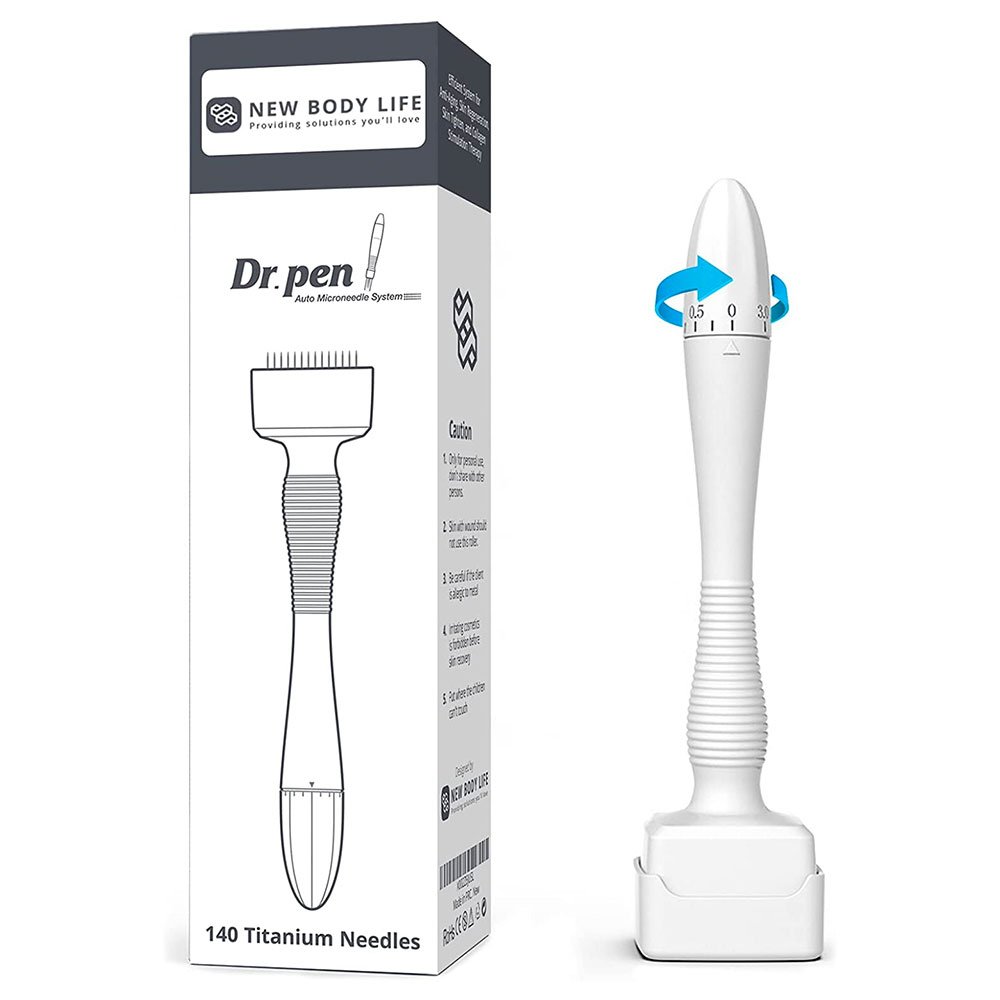
There are also a few different types of derma stamping devices, but the main difference is between a regular derma stamping “pen” and a derma stamp with a serum tank.
A derma stamp with a serum tank is a specialized micro-needling device that has the bonus of delivering serums directly into the skin.
The device consists of a stamping head with small needles and a serum tank that delivers the serum directly into the skin during the stamping process.
The serum tank typically attaches to the top of the stamping head and can be filled with a variety of serums, such as hyaluronic acid, vitamin C, growth factors, or peptides, depending on the desired skin benefits.
The serums penetrate deeply into the skin, enhancing absorption and effectiveness.
A regular, pen-styled derma stamp can be adjustable or not in terms of pin length, and it requires you to apply the serum separately.
Derma Stamping Limitations
Although very versatile, this procedure is not effective in treating issues like:
- Active rosacea, eczema, and psoriasis flare-ups
- Active acne breakouts
- Severe acne scars
- Keloid or hypertrophic scars, as it can potentially worsen the appearance of the scar
- Skin cancer or precancerous lesions or any suspicious or abnormal growths on the skin
Derma Stamp vs. Derma Roller: Which is better?
Derma Stamp:
- Precision: Stamps the skin with needles, giving it an exact treatment area.
- Control: Enables to control the depth of penetration more accurately from problem skin such as scars, wrinkles
- Comfort: Less painful as a whole and is applied in a more controlled way than derma rollers
Derma Roller:
- Skin area: Derma rolling works on a large area of skin to treat more skin in a single session, which is good for all-over skin fixing.
- Versatility: Available in many needle lengths to adjust to different depths based on the area you are addressing and what you hope to achieve.
- Effective: It can effectively stimulate collagen production and improve skin texture.
Therefore, it depends on factors such as the area of treatment, specific skin concerns, and personal comfort levels.
Can I Do Derma Stamping at Home?
While it is generally recommended to get any skin resurfacing treatment done professionally, it is possible to do facial at home by yourself. How to use a dermastamp?
You can purchase derma stamping devices for at-home use, but you should thoroughly research how to do this treatment yourself before trying it out.
You can start by reading our Guide to Microneedling At Home and check out some top-pick devices.

How Do I Prepare for the Derma Stamping Treatment?
If you are planning to undergo a derma stamping treatment, there are a few things you can do:
- Avoid sun exposure as it can increase sensitivity.
- Don’t wax or use hair removal creams 5-7 days before.
- Stop using retinoids, exfoliants, and acids at least a week before.
- Avoid other skincare treatments and Accutane for 6 months before.
- Refrain from alcohol and blood-thinning medications for 24 hours before.
- Stay hydrated to improve skin elasticity.
- Don’t take anti-inflammatory meds at least 3 days before.
Derma Stamping Aftercare
After the procedure:
- Avoid sun exposure for 24-48 hours and use sunscreen if you go outside.
- Clean the treated area gently with a mild cleanser and lukewarm water.
- Use a fragrance-free moisturizer to soothe and hydrate the skin.
- Don’t wear makeup for at least 24 hours.
- Avoid harsh skincare products and sweating-inducing activities.
- Do not pick or scratch the treated area.
Derma Stamping Healing
Generally, the skin will take several days to a few weeks to heal completely after the procedure. Since the recovery process after microblading comes in stages (you can read about them here), you need to plan for the derma stamping healing period as well.
Is There Any Downtime After Derma Stamping?
No, derma stamping doesn’t require any initial downtime. You can go back to your normal daily routine as soon as you’re done with the procedure.
Derma Stamp Effects
Most people start seeing results within a few weeks to a few months after the procedure, as the skin regenerates.
Is Derma Stamping Safe?
According to the study, this treatment is generally considered safe when a trained professional uses sterile equipment. However, there are some risks associated with derma stamp microneedling:
- Infection
- Scarring
- Allergic reactions
- Post-inflammatory discoloration
How Long Will Derma Stamping Effects Last?
In general, the effects of derma stamping can last for several months to a year or more, depending on skin concerns being addressed, the frequency of treatments, and skin type.
How Much Does Derma Stamping Cost?
On average, the cost of a single derma stamping session can range from $150 to $600 or more.
WHY TRUST THIS GUIDE
This guide results from 5+ years of studying and researching the beauty & skincare industry. The information comes from reliable sources such as various medical references.
LEARN MORE ABOUT MICRONEEDLING
Explore more microneedling topics:
Swipe for more microneedling topics →
SHARE
Weekly Insights Into the PMU Industry

Support us so we can keep providing you with free education, information & inspiration.